
I didn’t know this until we visited Normandy recently that the 6th of June 1944 was a Tuesday.
The Allied Invasion of northern France, called Operation Overlord but commonly referred to as D-Day, were so pivotal to the liberation of Western Europe and the ultimate outcome of World War 2 and sometimes we do take for granted the events that happened on that particular Tuesday. It remains one of the most extraordinary military operations in history and is a massive tourism drawcard today – from school trips and those wanting to reconnect with history to those for whom this is more personal – a chance to trace a family member and their contribution to liberation.
During our visit to Normandy, we visited the Pegasus Bridge site, the Merville Gun Battery and all 5 of the D-Day landing beaches that made up Operation Overlord, along with numerous museums.
Because we covered so many locations, this is the first of series of blogs, sticking (roughly) to the chronological order of that day, starting with the events that happened hours before the actual beach landings.
Just to note – I am not a military historian, so this is a very brief outline to provide some context to anyone who wants to visit the area. The museums are quite comprehensive and go into more detail if you want to know more!
Time: 00:15
Date: Tuesday, 6 June 1944
What happened:
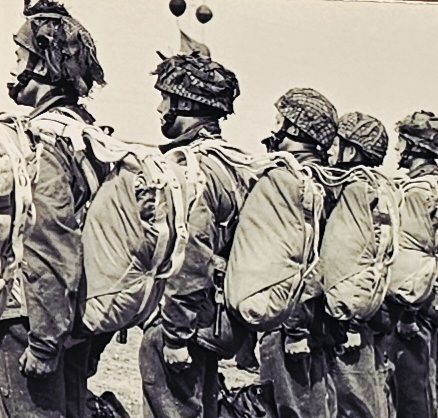
In the early hours of 6 June, the first wave of paratroopers from the US 82nd and 101st Airborne Divisions as well as the British 6th Airborne Division were dropped behind enemy lines in France by glider. Their mission was to secure key bridges, disrupt German communications and create confusion ahead of the beach landings.
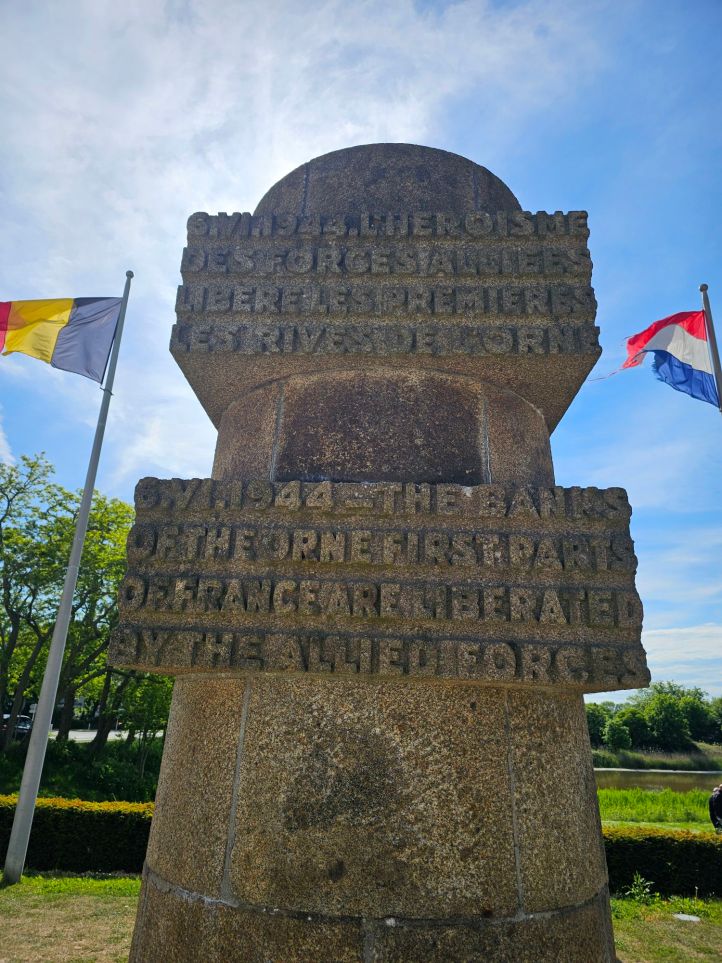
Under the command of Major John Howard, D Company successfully captured the Bénouville Bridge, crossing over the Caen canal (it linked the towns of Caen and Ouistreham in Normandy), holding the bridges until they were later relieved by the main British invasion forces from Sword Beach under Lord Lovat.
This was the first location in France to be liberated by the Allies.
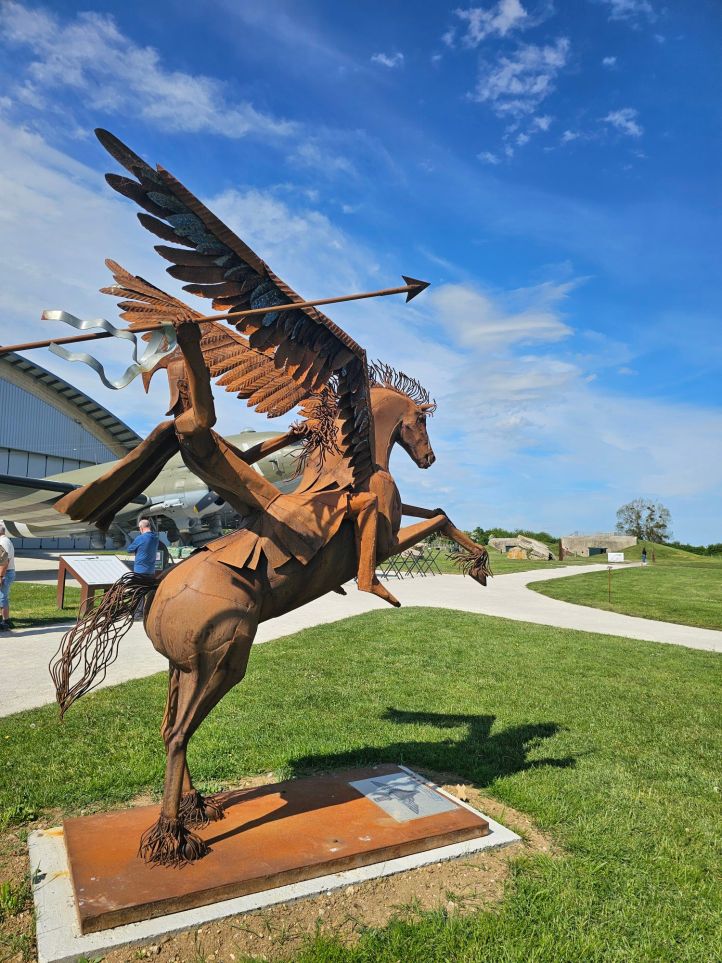
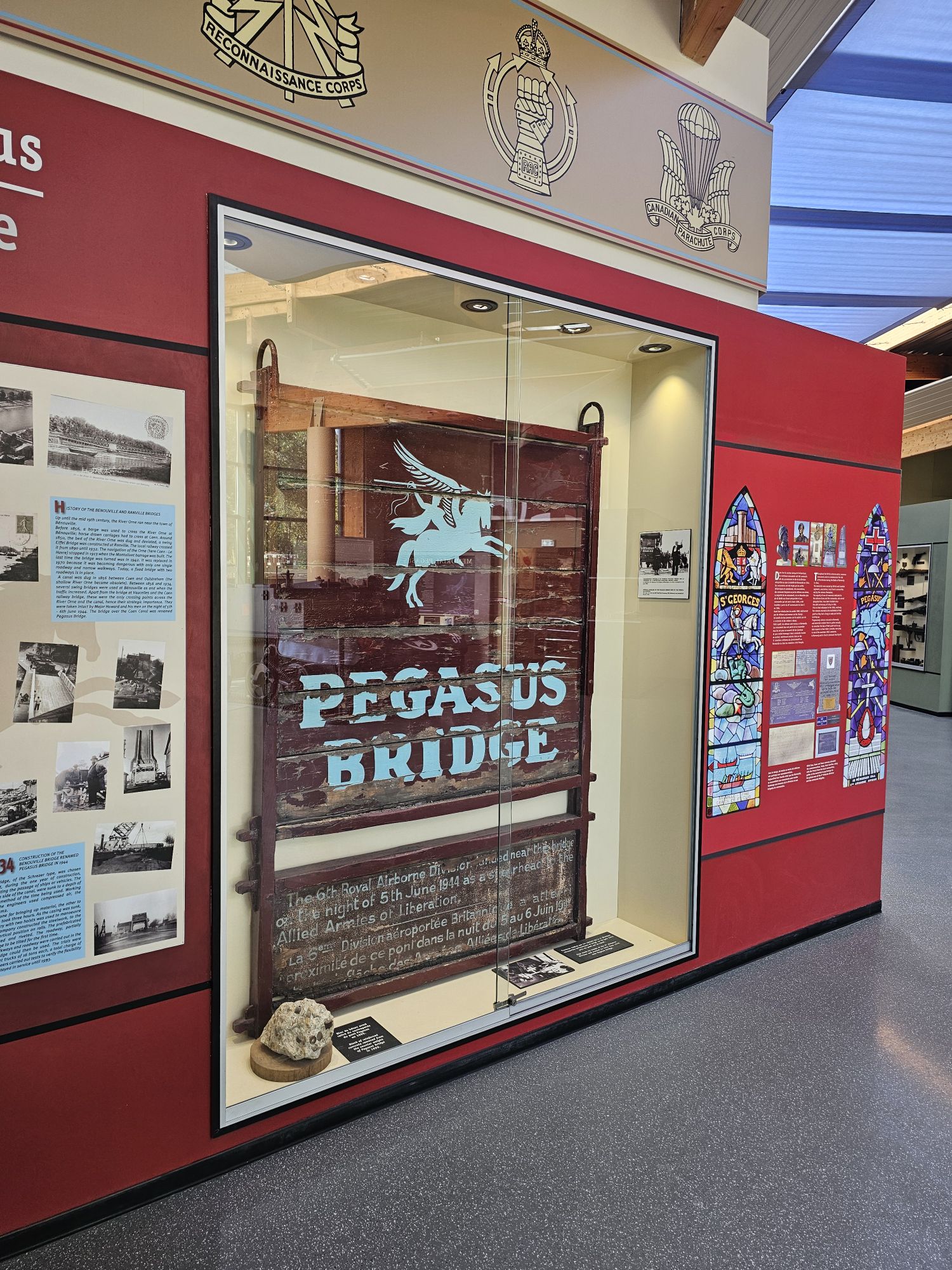
Later in 1944, the bridge was renamed ‘Pegasus Bridge’. The name is derived from the shoulder emblem worn by British airborne forces depicting Bellerophon riding the flying horse, Pegasus.
Another location of key importance to be captured prior to the beach landings was the Merville Gun Battery – a key part of the German ‘Atlantic Wall’ series of fortifications and bunkers, where the Germans could launch a counterattack. This was also captured by British forces.
Places to visit today:
Pegasus Bridge Memorial Museum
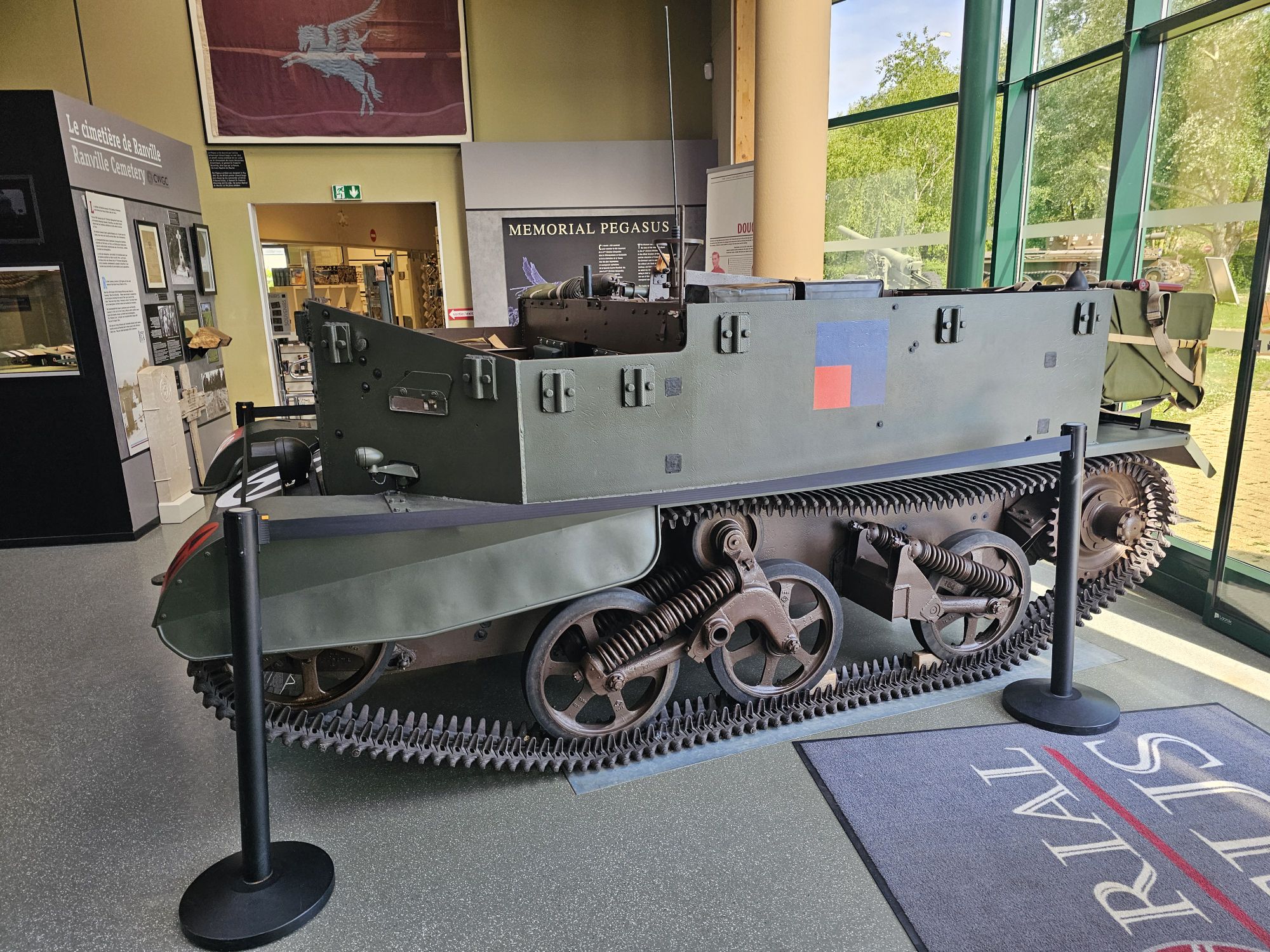
This museum is dedicated to the British 6th Airborne division. Keep a particular look out for the replica Horsa gliders (outside) and mention of portable prefabricated Bailey bridges used by the Allies to reconstruct those destroyed by the Germans.
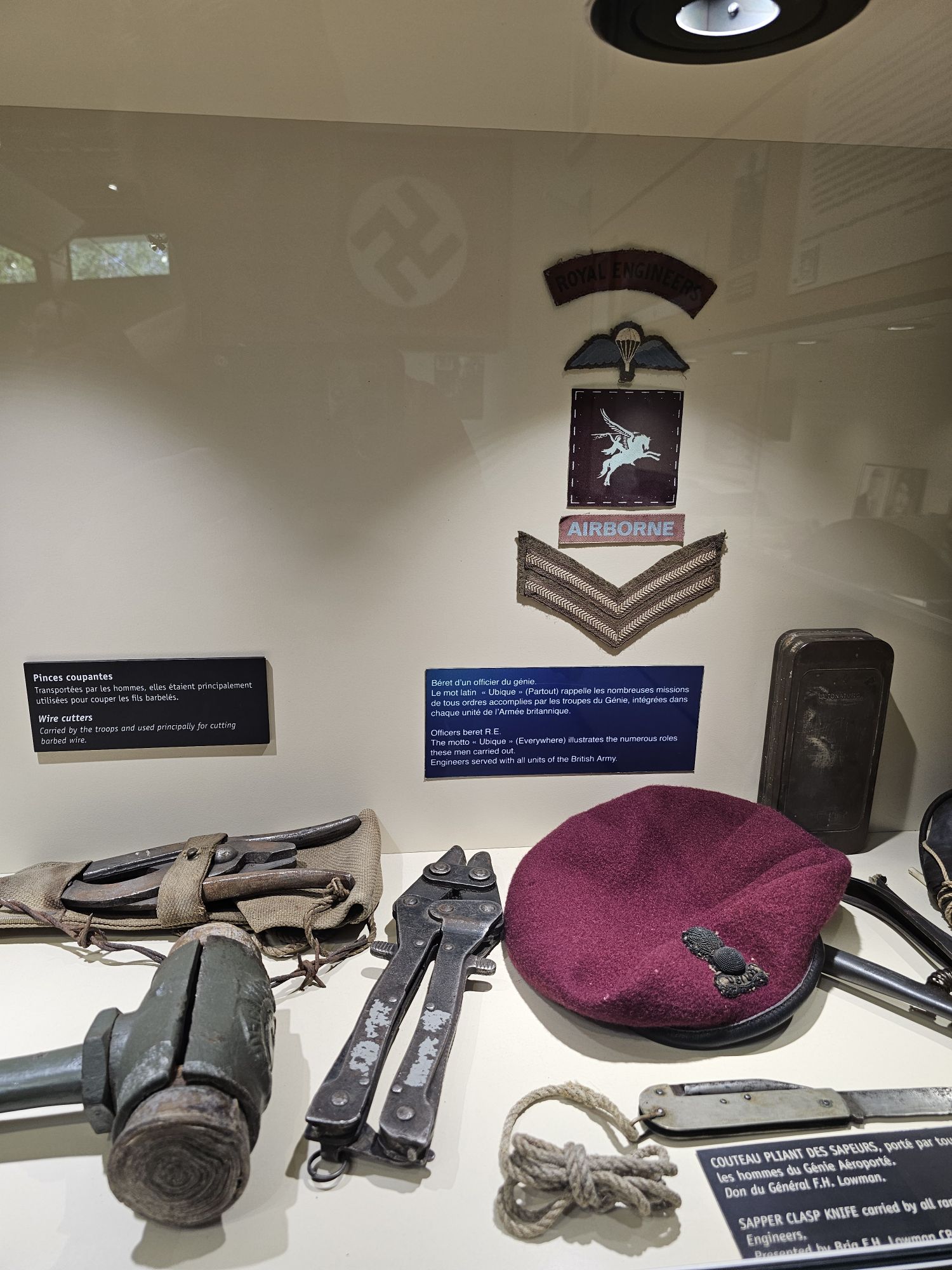
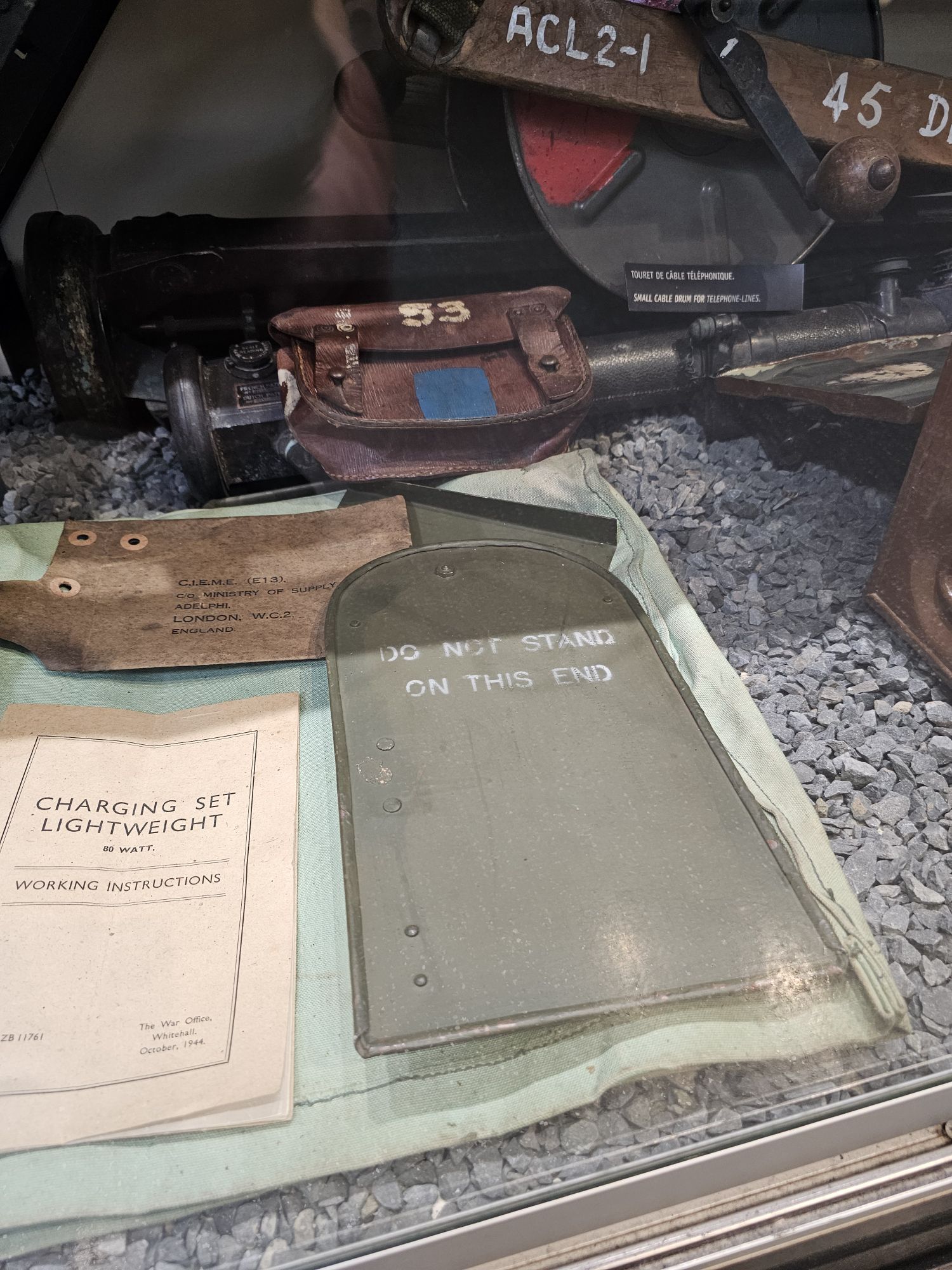
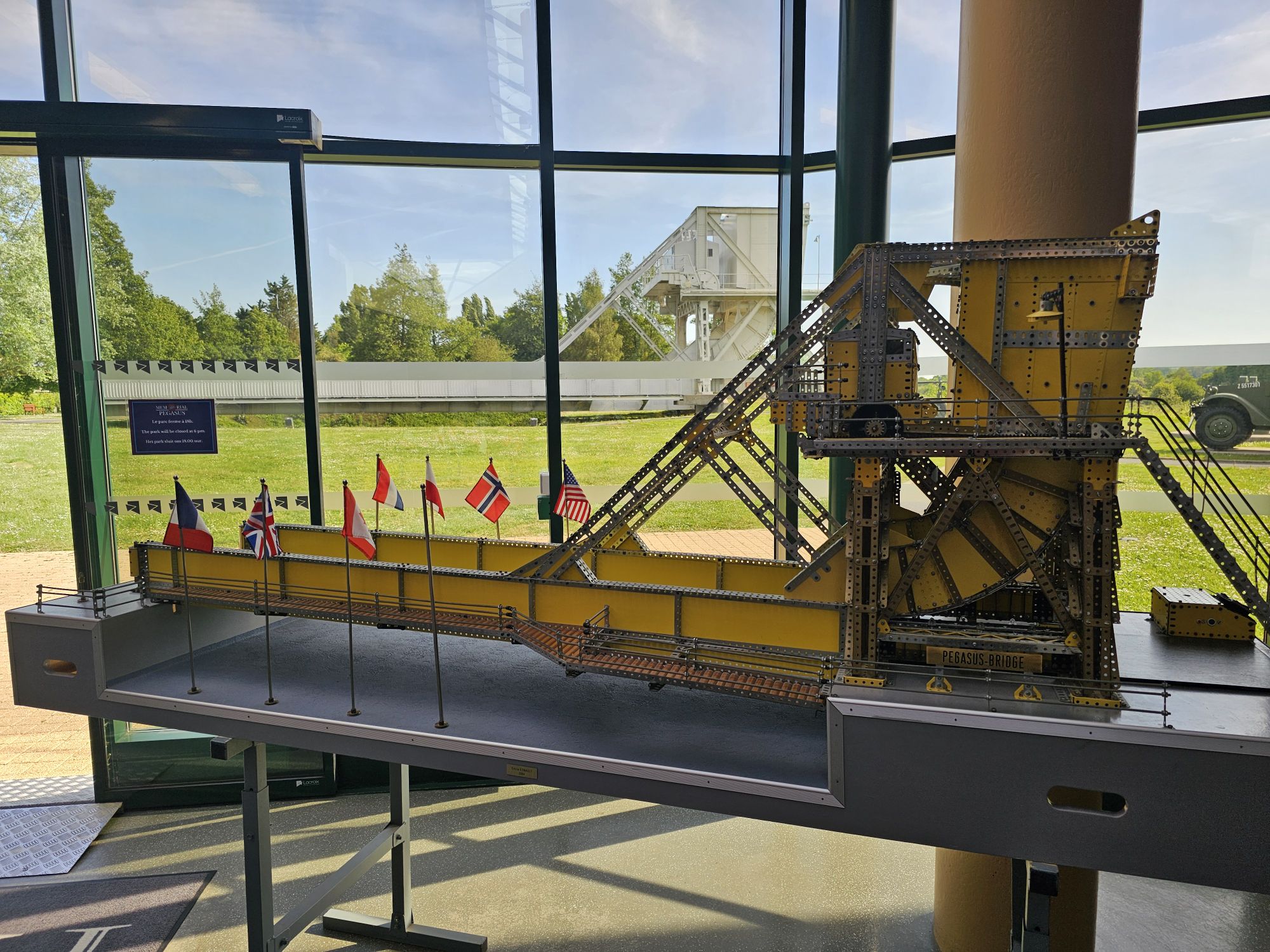
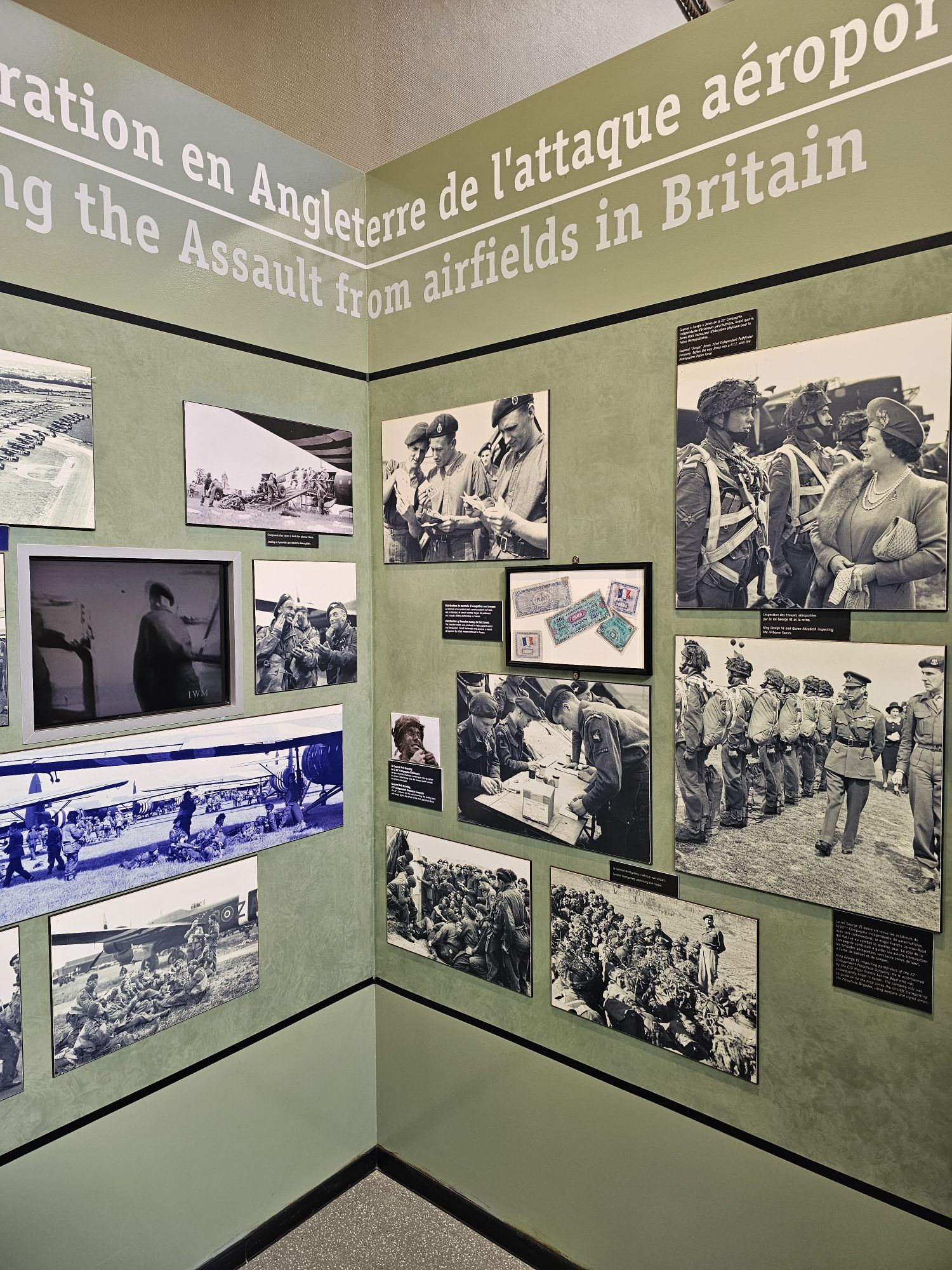
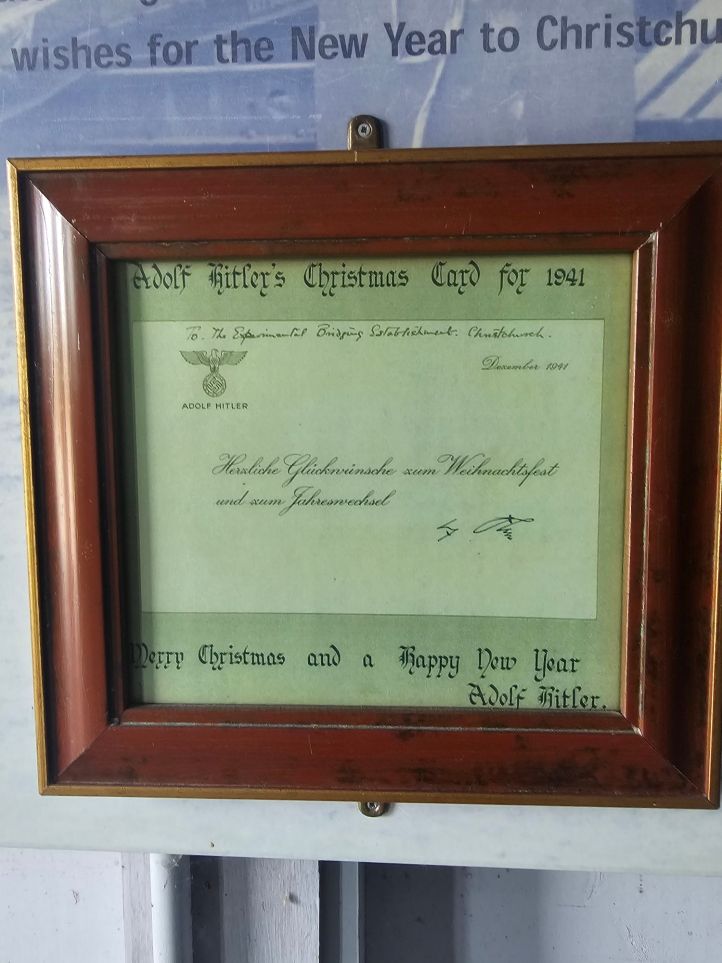
There is even a cheeky Christmas card sent by Adolf Hitler to the Experimental Bridging Establishment (developers of the Bailey Bridge) in 1941, clearly acknowledging the importance of the concept.
More information on the Pegasus Bridge Memorial Museum (via the Tourism Normandie website) can be found here.
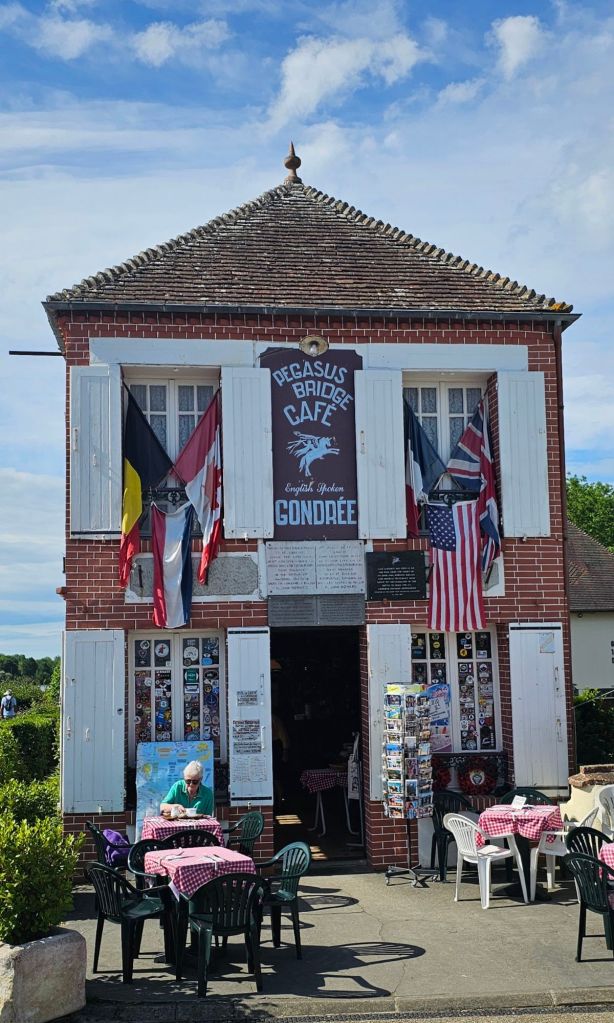
You can also walk across the new bridge to Café Gondree (the first liberated house in France) or the Les 3 Planeurs (The 3 Gliders) for refreshments.
Merville Gun Battery
This series of fortifications and German bunkers gives a different perspective.
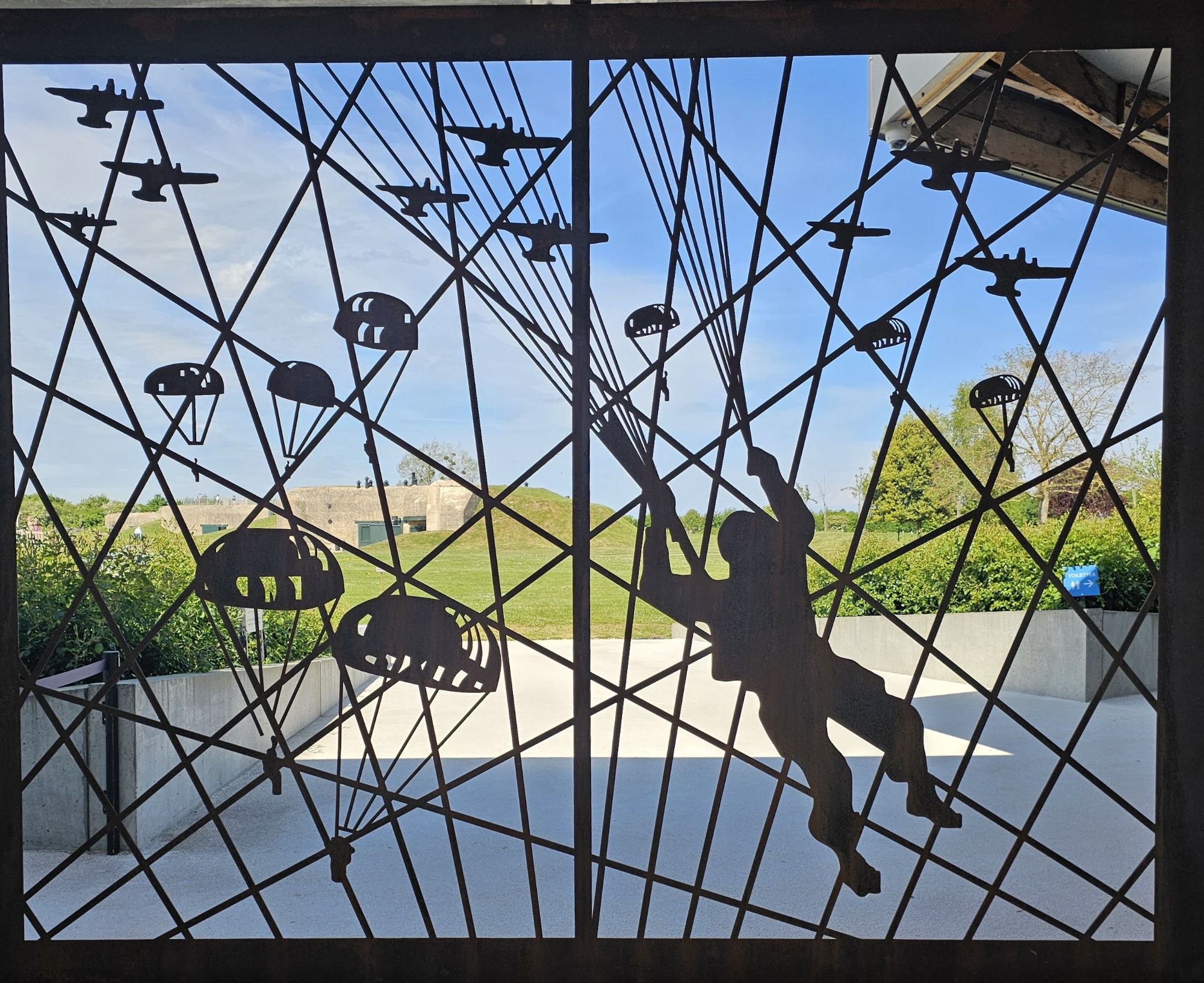
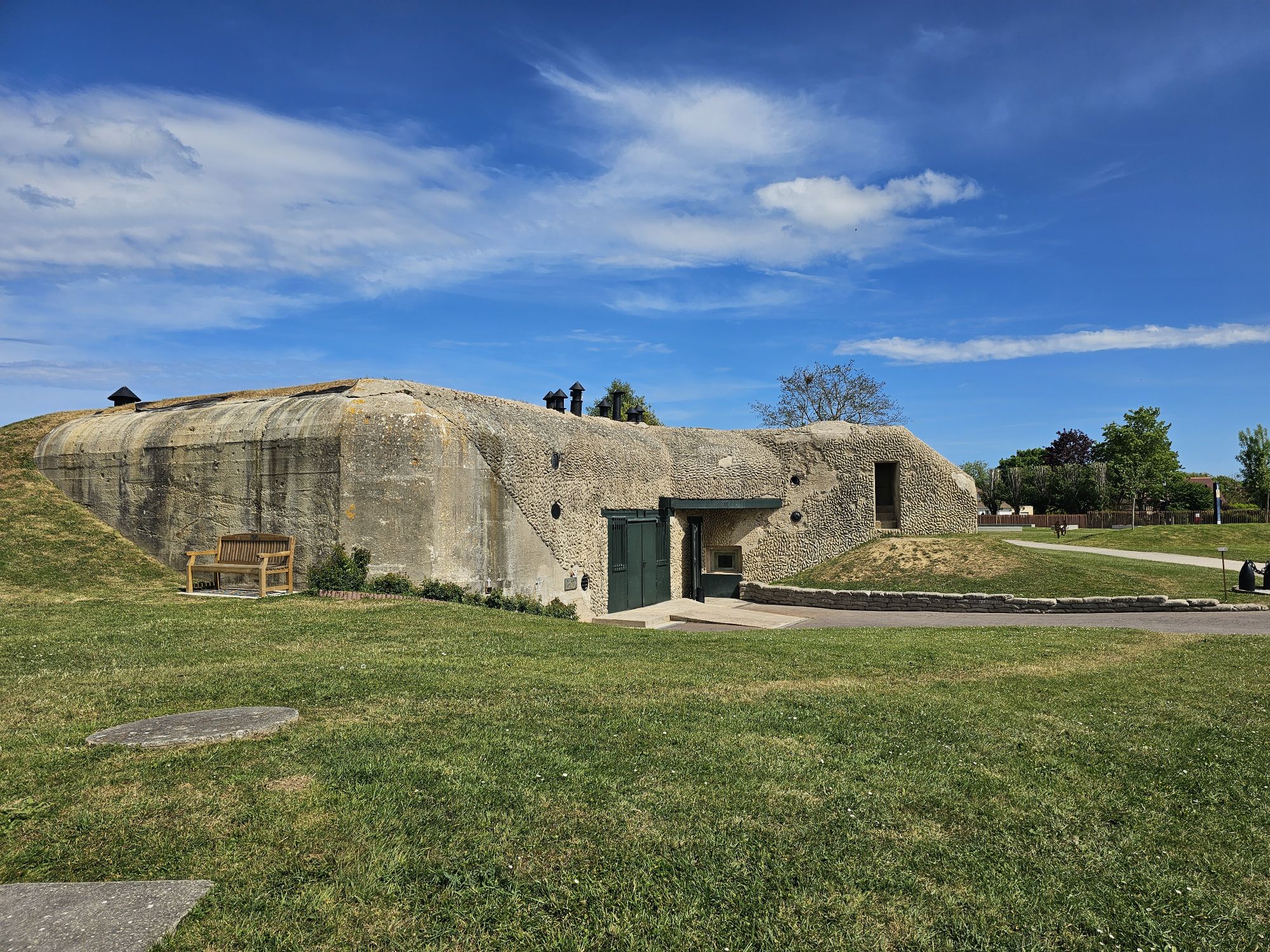
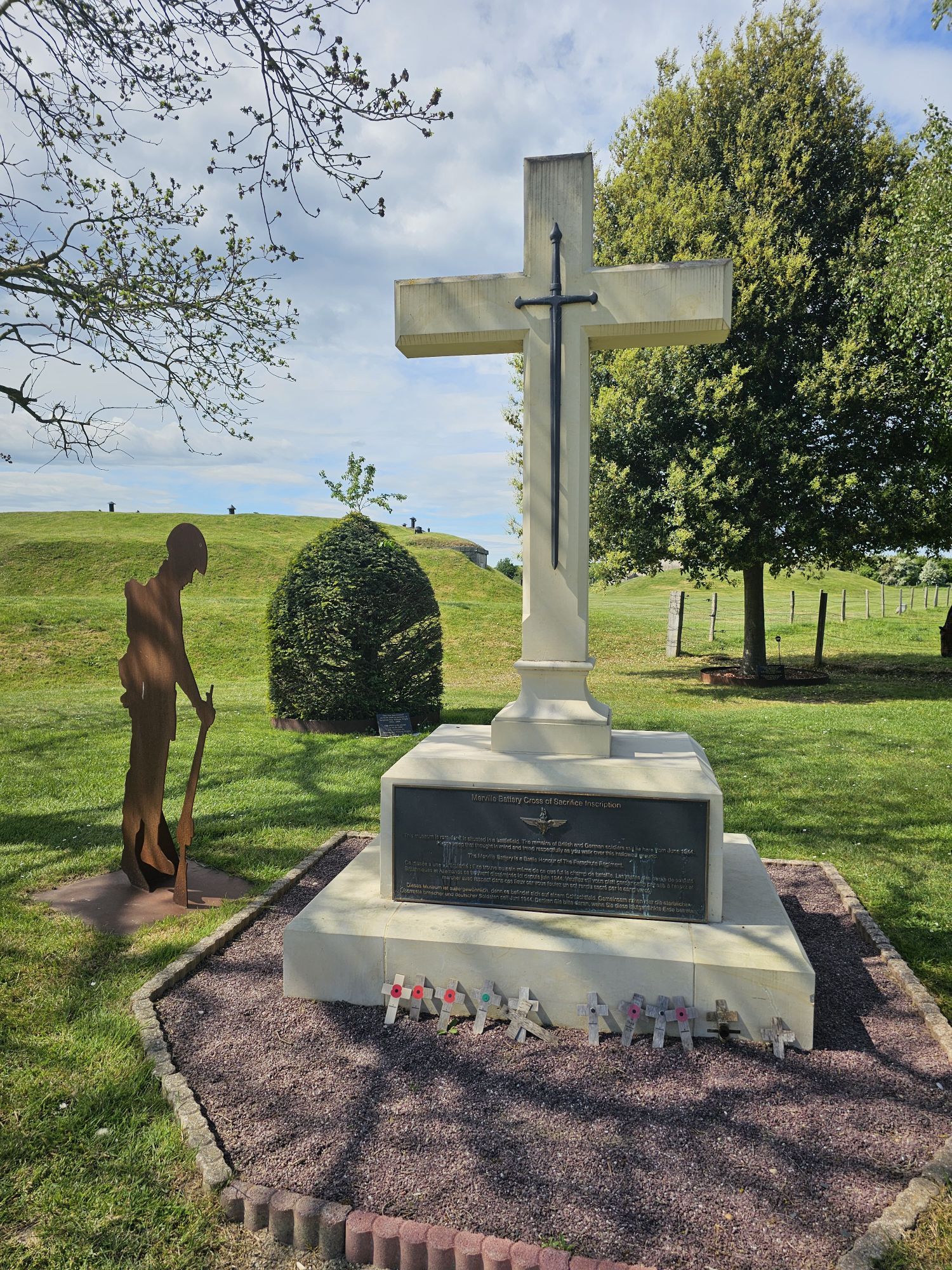
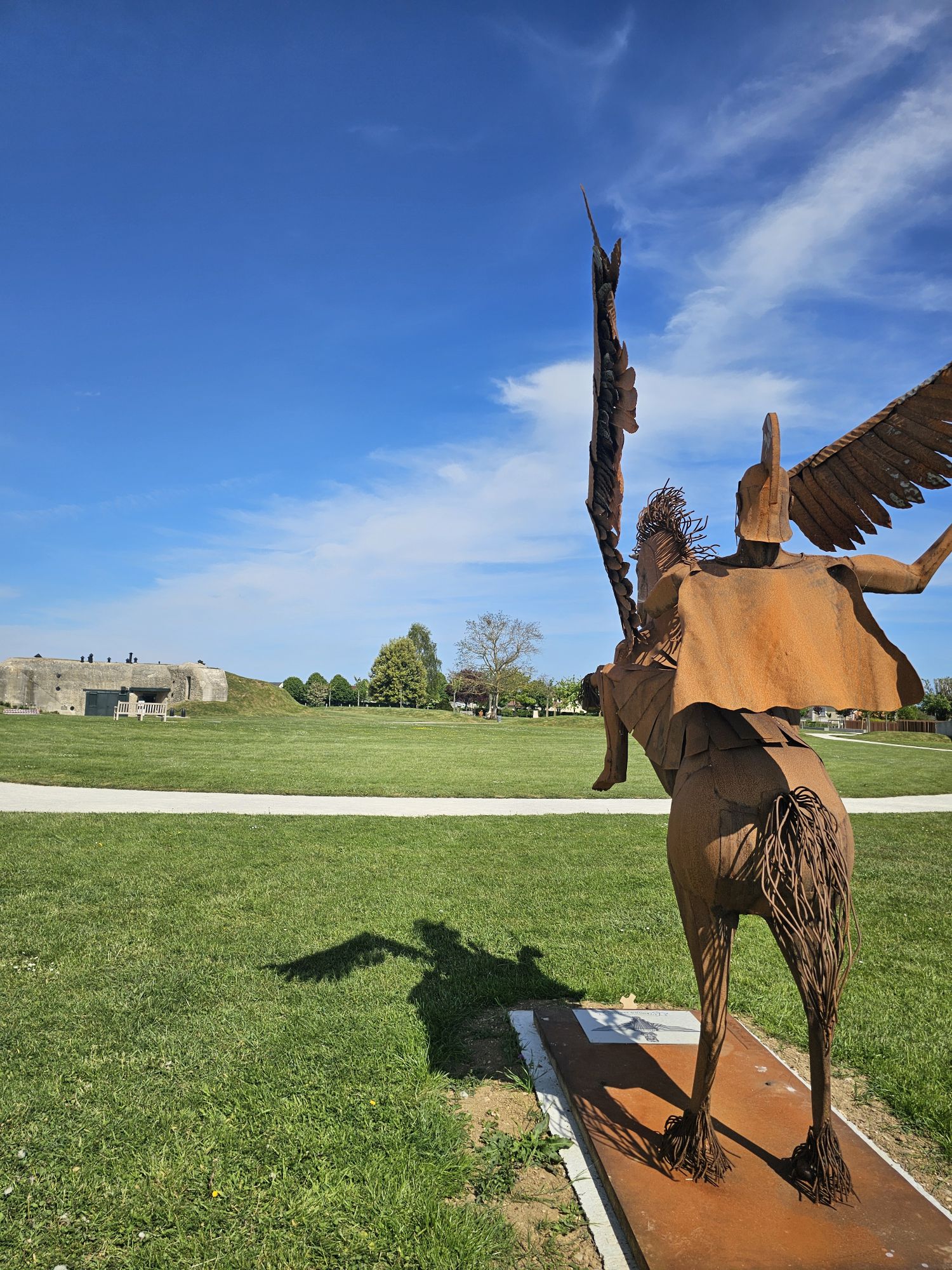
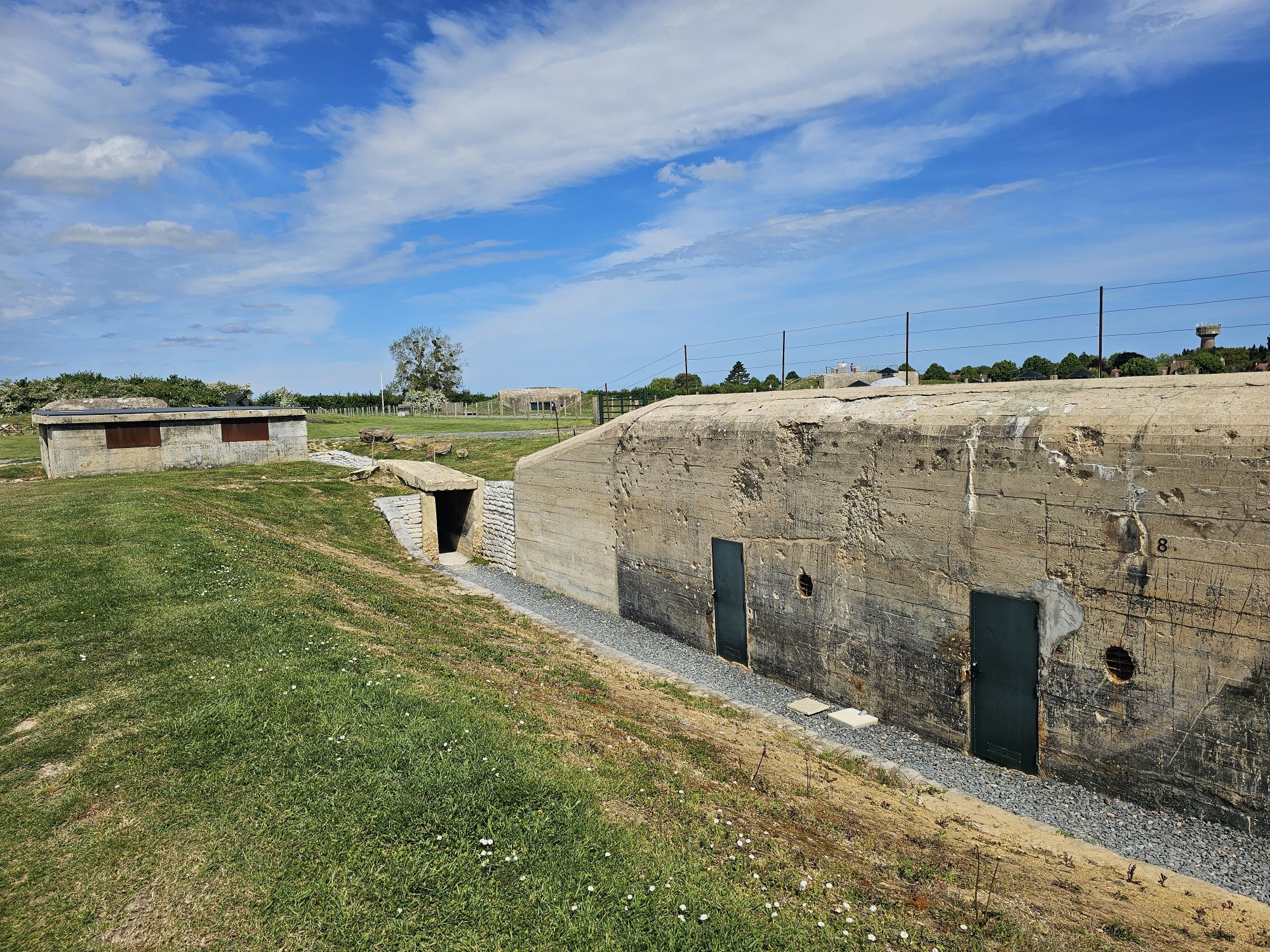
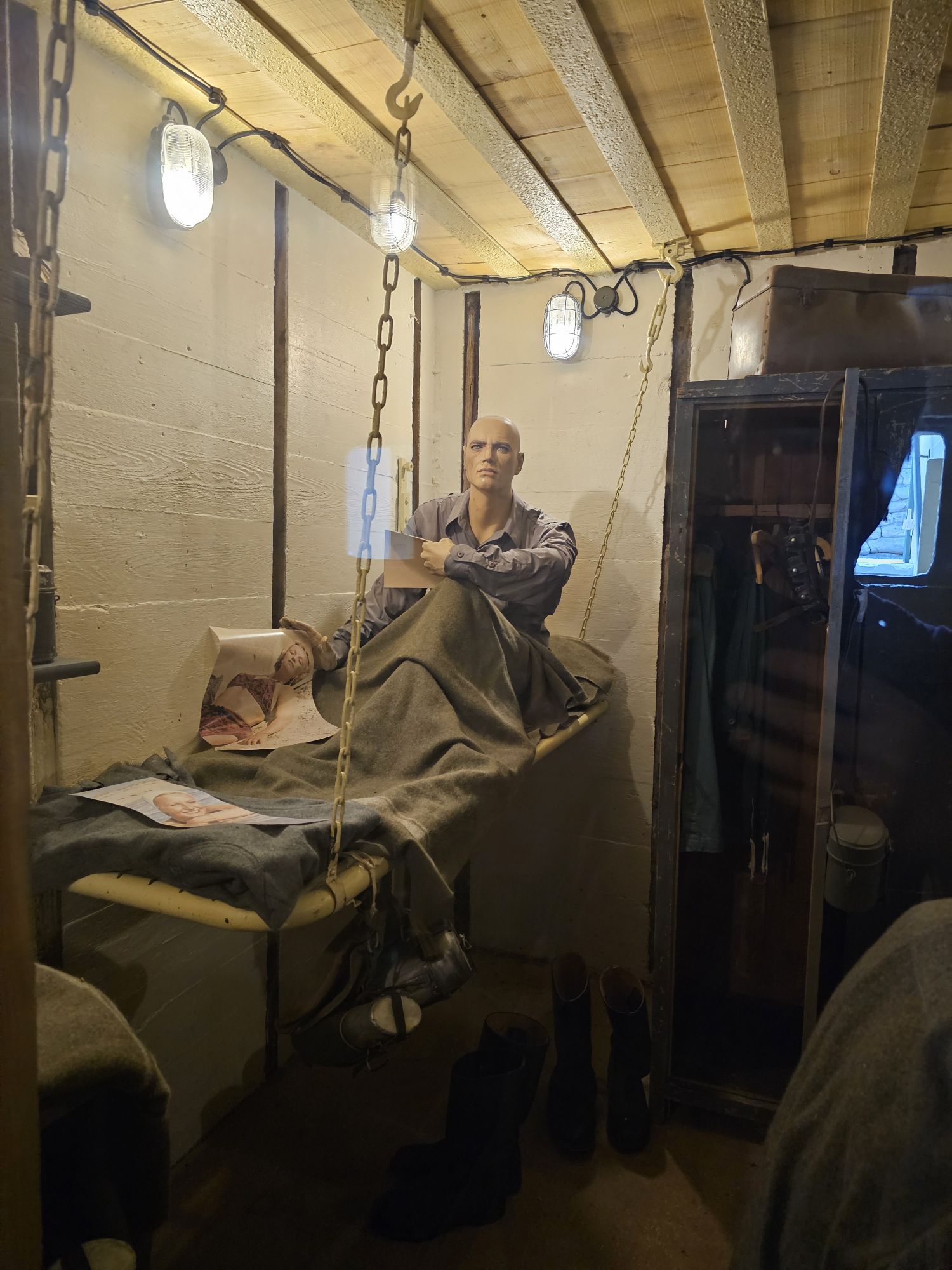
Information on the Merville Gun Battery can be found here.
In the next blog, we’ll start to look at the Normandy beach landings.
Opinions expressed are our own based on personal experience
Links provided are for information only and aren’t affiliate links.
All images used are sourced from Unsplash, iStock or are personal photographs. The writing is original, so please don’t copy any of these (photos or writing) without permission!
If you enjoyed reading this, please like and follow us on Facebook, Instagram and Tumblr.
You can also subscribe via the button at the bottom of this page and receive a newly published blog directly to your mailbox.
 Routes of Happiness